






Ask an Expert – What to Look for in Watch Winders
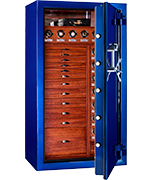
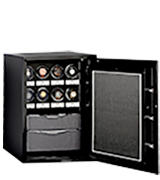
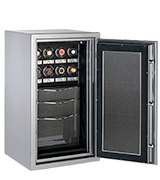
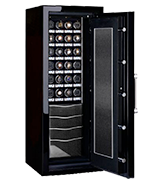
Casoro Jewelry Safes President Cletus Nunes sits down with Designhuette CEO Jan Heisse to explore what defines a truly exceptional watch winder. Discover how precision engineering and thoughtful design protect the artistry and accuracy of fine automatic timepieces.
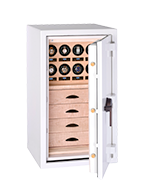
A great watch winder isn’t a gadget — it’s a tool that protects precision. For collectors who rotate multiple automatic watches, the right winder keeps each movement ready to wear, maintains complications, and supports the longevity of the watch itself. But the market is crowded, and quality varies widely. Here’s what actually matters.
Movement Compatibility
Not every watch requires the same winding pattern. Look for a winder that allows you to set turns per day (TPD) and winding direction — clockwise, counter-clockwise, or bi-directional. Your watch should be wound according to its movement, not whatever the winder defaults to.
Quality Materials & Craftsmanship
A winder sits beside some of your most valuable possessions. The materials and construction should match that standard:
-
Soft, protective interiors
-
Durable hinges and hardware
Secure Watch Mounting
The watch should sit firmly on the cuff without stretching the bracelet or slipping during rotation. Poorly designed cuffs are one of the most overlooked flaws in low-end winders — and one of the easiest ways to damage a watch.
About the Webinar Speakers:
Cletus Nunes, President & General Manager, Casoro Jewelry Safes
Jan Heisse, CEO of Designhutte
