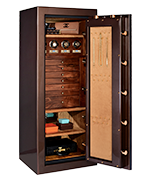
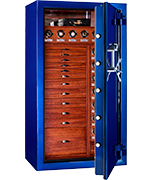
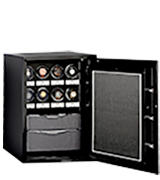
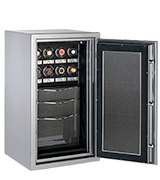
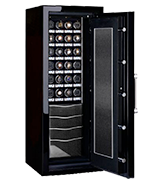
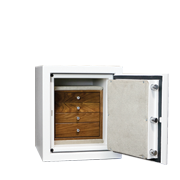
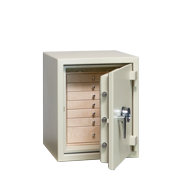

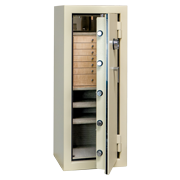
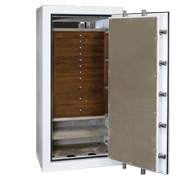

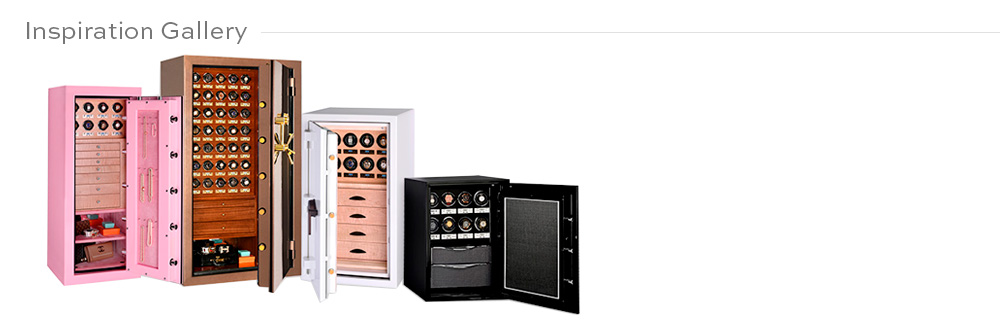
A safe, as defined by Webster’s dictionary is, “a container for keeping articles (as valuables) safe”. By that definition even a fishing tackle box could be considered a safe, but I certainly would not trust a tackle box to secure my valuables.
Not all safes are created equal. It is important to understand what kind of security a safe offers to avoid a false sense of security.
The burglar rating or classification of a safe indicates the degree of protection that a safe will provide its contents in the case of attempted burglary. Safes are classified using two different methods: Construction Ratings and Test Performance Ratings.
Construction classification is determined by the material specifications of the safe. To receive a performance rating, the safe must both be built to a construction specification and be independently tested via attempted break-in by a 3rd party to make sure it meets the performance standard and thus, becomes certified.
UL Test Performance Rating builds upon the construction standard and takes it to the next level.
Construction Ratings:
- Standard established by the insurance industry
- Standard which outlines materials and thickness
UL (Underwriters Laboratory) Test Performance Ratings:
- Industry standard completely independent of manufacturer testing
- Indicate a minimum standard of performance during testing
- Testing performed by seasoned UL technicians who are, effectively, professional safecrackers
- Net attack time only includes “tools on the safe” time – time spent thinking, switching tools, or any other work disruption is not counted